
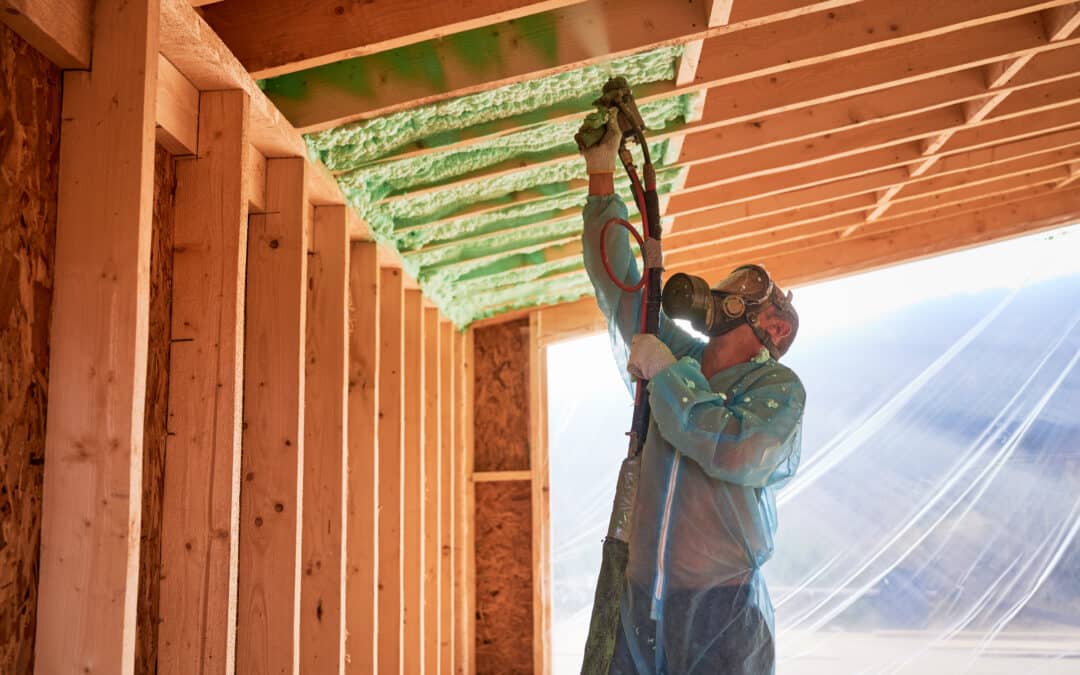
Insulation is key to an energy-efficient home, keeping it comfortable year-round while cutting energy costs. To maximize efficiency, we’ve highlighted six essential areas to focus on for better energy performance, comfort, and savings.
Attic and Roof
The attic is one of the primary areas where heat escapes during winter and enters during summer. Insulating this area can significantly reduce energy bills as it acts as a barrier, keeping indoor temperatures stable throughout the year. Without proper insulation, your HVAC system has to work double-time to maintain comfort, resulting in higher energy costs.
Interior and Exterior Walls
Walls are major conduits for heat transfer. Insulating both interior walls (to reduce noise) and exterior walls (to regulate indoor temperature) helps create a more consistent and comfortable environment. It also prevents drafts that can make certain rooms in your home colder than others.
By sealing your walls, you’ll ensure that your heating or cooling system won’t need to overcompensate for fluctuating temperatures, saving you money year-round.
Floors and Basements
Crawlspaces or floors above unheated areas, such as garages or basements, are prime areas for heat loss. Installing insulation under flooring can make a surprising difference in keeping your toes warm in winter and reducing energy usage.
An uninsulated basement can account for up to 25% of heat loss in some homes. Insulating your basement not only helps with heat retention but also reduces moisture levels, which can prevent problems like mold and mildew. Additionally, it creates a more comfortable environment, especially if the basement is used as a living space.
Windows and Doors
Windows and doors are common sources of drafts and air leaks, but while you can’t insulate them like walls, sealing gaps can significantly reduce heat transfer. Techniques like weatherstripping are easy to install and work well for sealing gaps around doors and window sashes, while spray foam is great for filling leaks around frames, offering flexibility. Door sweeps can also be attached to the bottom of doors to block drafts effectively.
For even greater energy efficiency, consider upgrading to double or triple-glazed windows or doors with low-emissivity (Low-E) coatings, which can further minimize heat loss and maximize your insulation efforts.
Pipes and Ducts
Insulating pipes and ductwork is an often-overlooked step that can provide significant benefits. Exposed HVAC ducts lose a considerable amount of thermal energy as they deliver hot or cool air, while uninsulated water pipes lose heat, forcing your water heater to work harder and increasing the risk of freezing in unheated areas like attics or basements during winter.
By insulating these areas, you can improve energy efficiency, reduce strain on your systems, and enhance the longevity of both your HVAC system and plumbing.
Garage and Additional Spaces
If you have an attached garage, it can transfer extreme temperatures to adjacent rooms, increasing energy bills. Insulating the walls, ceiling, and door seals helps prevent this by reducing heat transfer. To further reduce energy loss, seal gaps around the garage door with insulation kits or weatherstripping and check for cracks in the ceiling.
Similarly, insulating outbuildings like sheds or workshops connected to an HVAC system improves overall efficiency.
Maximizing Your Energy Savings
Insulating your home goes beyond ensuring comfort—it’s a smart investment in energy efficiency that benefits both your finances and the environment. By addressing six crucial areas—attic, walls, floors and basements, windows and doors, pipes and ducts, and garages—you can transform your home into a well-insulated, energy-efficient haven. Contact us today for a free quote.