
Energy efficiency is no longer just a buzzword—it’s a must for homeowners looking to cut costs, live sustainably, and stay comfortable. With homes using a large share of energy, the need for solutions has never been greater. This demand has led to exciting innovations, and spray foam insulation is one of the most impactful.
With superior insulation and the ability to seal air leaks, spray foam insulation is changing how homes achieve energy efficiency. Here’s everything you need to know about its benefits and how it compares to traditional methods.
What is Spray Foam Insulation?
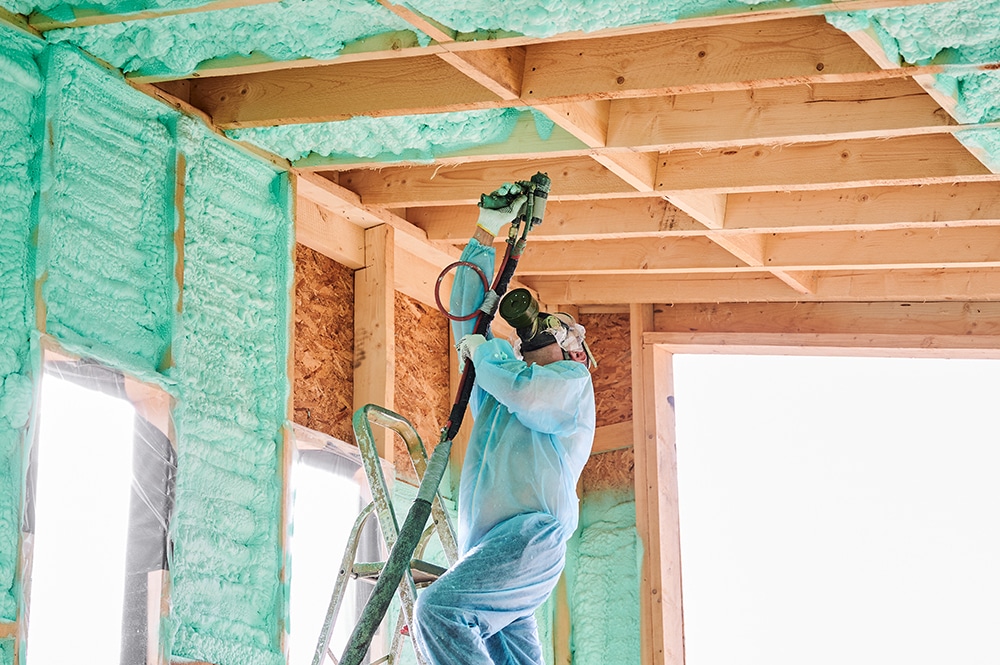
Spray foam insulation is a versatile and highly effective insulation method that uses a liquid foam that expands and hardens into a solid, filling every nook and cranny it comes into contact with. Unlike traditional materials like fiberglass or cellulose, spray foam excels at providing airtight seals, leading to unparalleled energy efficiency.
Types of Spray Foam Insulation
There are two main types of spray foam insulation, each tailored to specific needs:
- Open-Cell Spray Foam: Lightweight and flexible, this option provides excellent soundproofing, making it ideal for interior walls and less demanding insulation needs. However, it has a lower R-value compared to closed-cell foam.
- Closed-Cell Spray Foam: Dense and rigid, this material provides a stronger moisture barrier and offers a higher R-value for superior thermal performance. It is ideal for use on roofs, exterior walls, and areas prone to moisture.
Key Benefits of Spray Foam Insulation
- Unmatched Insulation: Covers gaps that traditional insulation materials often miss.
- Air Sealing: Eliminates drafts by sealing small cracks and crevices.
- Moisture Barrier: Helps prevent mold and maintains structural integrity.
The Science Behind Energy Efficiency
To truly understand why spray foam insulation is such a game-changer, it helps to grasp the basic principles of thermal insulation and heat transfer.
- Thermal Insulation: Insulation works by reducing heat flow, keeping your home cooler in summer and warmer in winter. An insulation material’s effectiveness is measured by its R-value—the higher the R-value, the greater the protection against heat flow.
- Spray Foam’s Edge: Spray foam insulation provides one of the highest R-values available, expanding to seal small gaps and eliminate thermal bridges where heat can escape. However, proper installation is crucial, as mistakes like leaving gaps can reduce its efficiency by up to 30%.
Advantages of Spray Foam Insulation
Spray foam insulation stands out for several reasons:
Superior Insulation Performance: The high R-value of spray foam, especially the closed-cell variety, makes it one of the most effective insulation options on the market. This results in reduced energy bills as homes stay at a consistent temperature year-round.
Air Tightness: Spray foam completely seals off air leaks, preventing energy wastage from drafts. This level of air sealing enhances comfort while ensuring your HVAC system works more efficiently.
Moisture Resistance: A strong moisture barrier prevents issues like mold growth, wood rot, and structural degradation. Closed-cell spray foam, in particular, is excellent in areas prone to humidity and water exposure.
Long-Term Savings: While the upfront costs might be higher than other methods, spray foam insulation quickly pays for itself through significant energy savings and minimal maintenance over time.
Installation Best Practices
A professional installation is crucial for maximizing the benefits of spray foam insulation. Here are some best practices to keep in mind:
Hire Certified Experts: Spray foam installation requires expertise. Professionals ensure proper application, avoiding common pitfalls like inadequate coverage or uneven layers.
Prioritize Safety: The installation process involves chemicals that require proper ventilation and protective gear. A professional team will ensure all safety protocols are followed.
Avoid Common Mistakes: Not sealing all gaps or using an inadequate amount of foam can reduce effectiveness. Professional installers understand the importance of precision.
A Greener Choice for Modern Homes
Beyond its energy-saving benefits, spray foam insulation significantly reduces your home’s carbon footprint. Lower energy consumption means fewer greenhouse gas emissions, which is a win for both your wallet and the planet.
Many manufacturers now offer eco-friendly spray foam options that utilize renewable materials or low-emission formulas, making it an even more sustainable choice.
Invest in Energy Efficiency Today
Spray foam insulation isn’t just a home improvement; it’s an investment in comfort, sustainability, and savings. With its superior performance, long-term cost benefits, and environmental advantages, spray foam is a revolutionary solution for modern homes.
If you’re ready to elevate your home’s energy efficiency, there’s no better time to explore spray foam insulation. Start with a consultation from Insulation Pro Depot to learn how it can transform your living space.